Best Art Brushes for Oil, Acrylic & Watercolor

When it comes to painting, the brush is just as important as the paint itself. Each medium—oil, acrylic, and watercolor—has unique properties, and using the right brush can dramatically affect your results. Traditionally, artists have paired specific brush types with certain paints for good reason. Understanding why can help you make better choices and improve your work.

ChatGPT Image Feb 13, 2026, 01_39_33 PM

Oil Painting Brushes: Strong and Sturdy

Oil paint is thick, heavy, and slow-drying. It requires a brush that can push and shape dense paint across the canvas.

Why Hog Hair?

Hog bristle brushes have been the traditional choice for oil painters for centuries. They are:

  • Firm and resilient – Perfect for moving thick paint.

  • Naturally split at the tips (flagged ends) – Holds more paint.

  • Durable – Withstands the texture of canvas and heavy brushwork.

These brushes are ideal for expressive strokes, impasto techniques, and textured applications. If you enjoy bold, visible brushstrokes, hog bristles are your best friend.

Are There Alternatives?

Yes. Some modern oil painters use synthetic brushes, especially for smoother blending or fine detail work. However, for traditional oil techniques, hog bristle remains the gold standard.

Acrylic Brushes: Flexible and Tough

Acrylic paint dries quickly and can be tough on brushes. It can harden and damage natural hair if not cleaned promptly.

Why Synthetic Brushes?

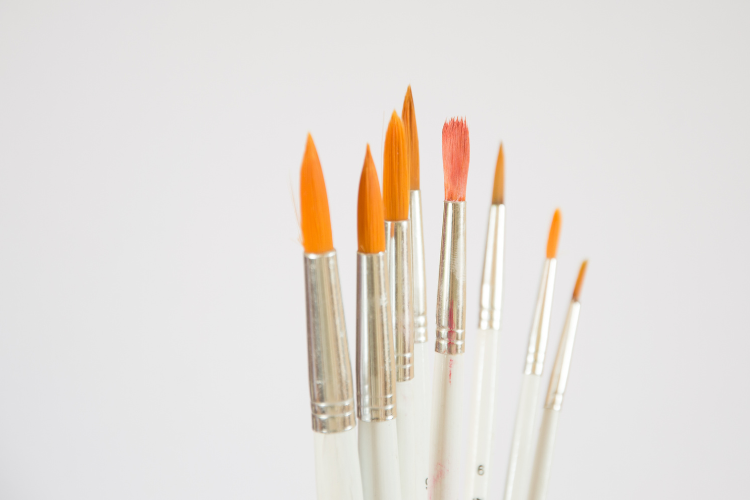
Synthetic brushes (usually made from nylon or polyester fibers) are commonly recommended for acrylic painting because they are:

  • Resilient and springy – Good snap for control.

  • Less absorbent – Won’t soak up too much paint or water.

  • Easier to clean – More resistant to damage from fast-drying acrylics.

They hold their shape well and are suitable for both thick and thinned acrylic applications.

Can You Use Hog Brushes for Acrylic?

You can, especially for heavy-body acrylics. However, synthetic brushes tend to last longer with acrylic because they are less prone to wear from repeated washing and exposure to water.

Watercolor Brushes: Soft and Absorbent

Watercolor is a fluid, transparent medium that relies on water control and delicacy.

Why Sable Brushes?

Sable brushes—especially Kolinsky sable—are prized in watercolor painting for their:

  • Exceptional water-holding capacity

  • Fine, sharp points for detail

  • Softness and flexibility

They allow artists to create flowing washes, precise lines, and controlled gradients. The brush releases water evenly, making it easier to manage pigment flow.

Modern Synthetic Options

High-quality synthetic watercolor brushes have improved dramatically. They can mimic sable’s softness and are often more affordable and ethical alternatives.

Understanding Brush Shapes

Regardless of medium, brushes come in several shapes:

  • Round – Versatile; great for detail and lines.

  • Flat – Ideal for bold strokes and edges.

  • Filbert – A rounded flat; excellent for blending.

  • Fan – Used for texture and special effects.

Choosing the right shape is just as important as choosing the right hair type.

Why the Right Brush Matters

Using the correct brush for your medium:

  • Extends the life of your tools

  • Improves paint handling and control

  • Enhances texture and finish

  • Makes the painting process more enjoyable

While traditional pairings—hog for oil, synthetic for acrylic, sable for watercolor—exist for practical reasons, experimentation is always welcome. Many contemporary artists mix tools across mediums to achieve unique effects.

The right brush elevates your Painting

Your brush is an extension of your hand. Understanding how different bristle types interact with different paints empowers you as an artist. Whether you prefer the firm push of hog bristle, the resilient snap of synthetic fibers, or the delicate flow of sable, choosing the right brush helps you bring your vision to life.

In art, tools matter—but how you use them matters even more.